Granitic Sand / Path Topping
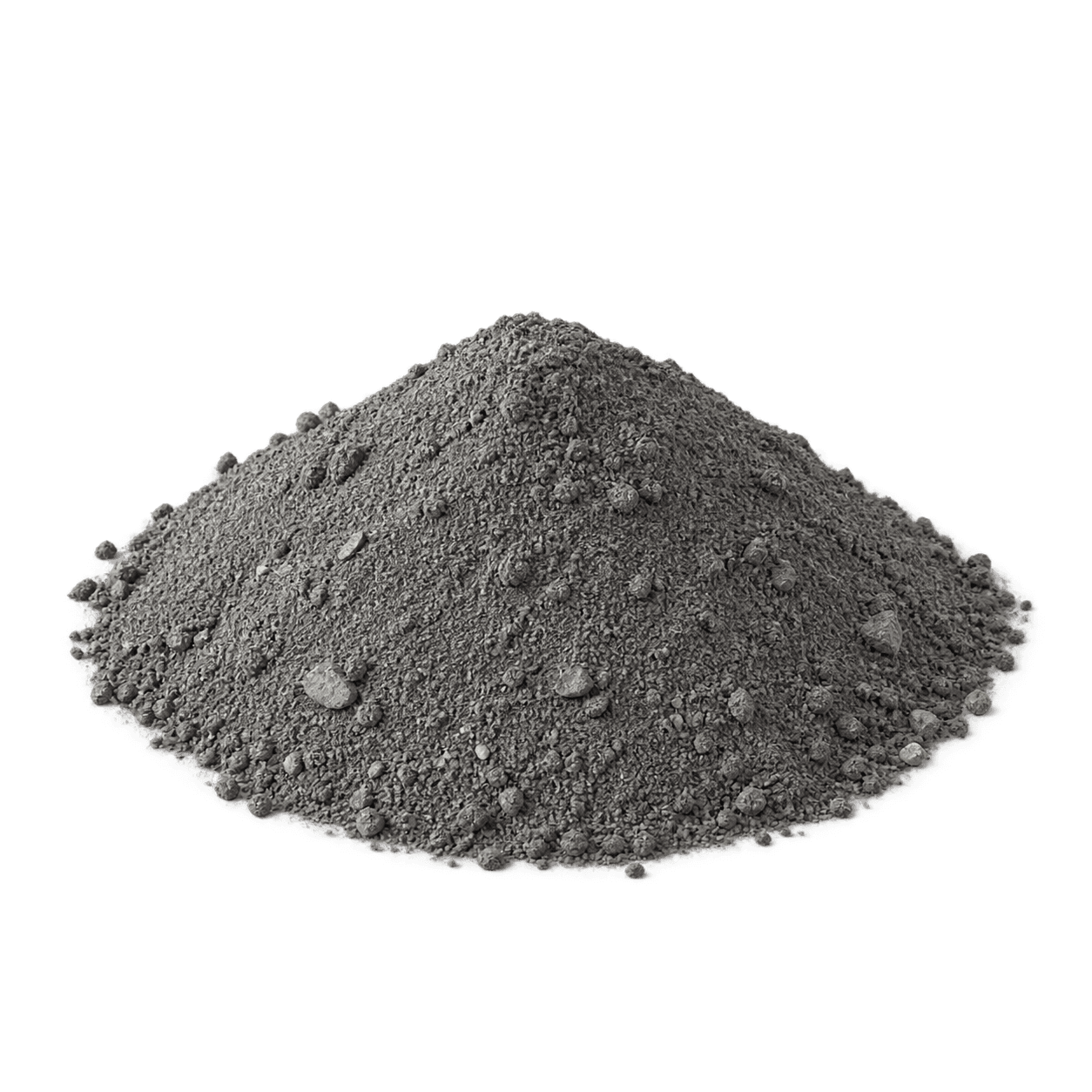
Decomposed granite that binds when wetted and compacted, giving a firm, natural-looking surface for paths and courtyards.
In stock for delivery
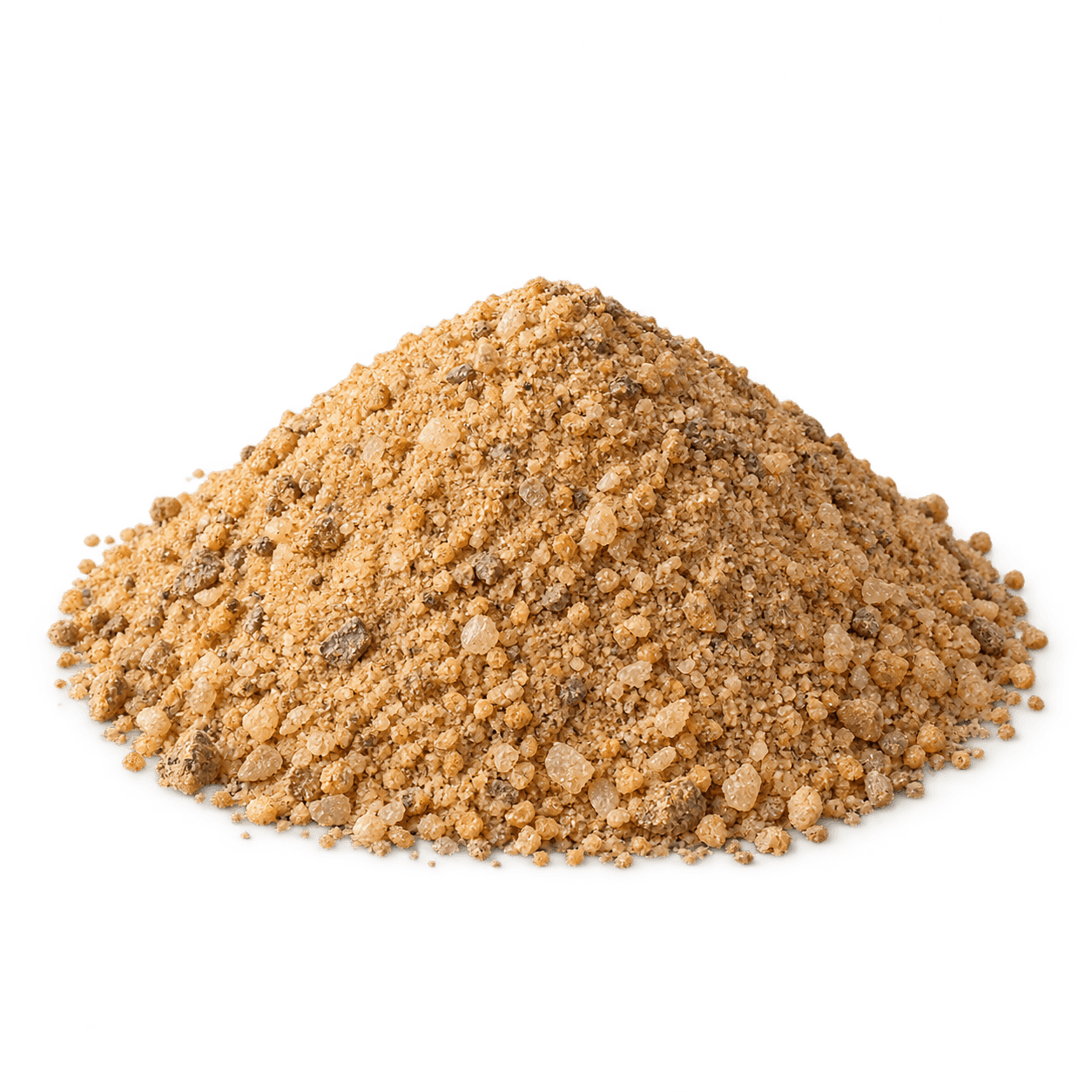
Price includes GST
The rate is per tonne. Delivery is added from your address.
Tipped on site
A tipper matched to the weight of this load.
2-hour windows
Choose a date and a window between 7am and 5pm.
Right material, right job
What's it used for?
Decomposed granite that binds when wetted and compacted, giving a firm, natural-looking surface for paths and courtyards.
- Garden paths
- Courtyards and informal driveways
- Around pavers and stepping stones
- Pétanque courts
Before you order. Put solid edging in first (steel, timber or brick). Without it, granitic sand creeps into garden beds and the path edges break down.
Know your material
Granitic Sand / Path Topping: benefits, uses and laying tips
What is granitic sand?
Granitic sand, also sold as decomposed granite or DG, is granite that has weathered into a mix of coarse grit and fine particles. The fines act as a natural binder. Dampen and compact it and the grains lock together into a firm surface that still looks like natural earth. The colour depends on the quarry, usually somewhere between golden tan and soft grey.
Why use it for paths and courtyards?
It's firm enough to walk on and push a wheelbarrow over, but unlike concrete it lets rain soak through instead of running off. It gives a soft, natural finish that suits cottage, native and Mediterranean-style gardens. It usually costs less and goes down faster than pavers or a slab. And when a patch wears, you just top it up and compact it again.
How to lay granitic sand
Dig out the topsoil and roots, then fit your edging. On soft or clay ground, lay and compact a road base sub-base first. Spread the granitic sand in layers of about 50 mm, lightly wet each layer and compact it with a plate compactor or hand tamper. Aim for 50 to 75 mm compacted for foot traffic. Give the surface a slight fall so water doesn't pool.
Granitic sand vs crusher dust vs loose gravel
Crusher dust is finer and greyer. It's mostly used as a bedding layer under pavers rather than as a finished surface. Loose gravel doesn't bind, so it moves underfoot and is hard work for prams and wheelbarrows. Granitic sand sits in between: it binds to a firm surface but keeps a natural, gravel-like look.
Looking after it
Expect a little loose grit on top, especially in the first few weeks. Rake worn or rutted spots, wet them and compact them again, and top up thin areas every year or two. Laying weed mat under the path and pulling the odd weed early keeps the surface clean.
Measure once, order with confidence
How much do you need?
Work out the quantity
Enter your area to estimate volume, weight and material cost.
Your estimate
Granitic Sand / Path Topping
2.5m³
- Approx. weight
- 3.8 t
- Material from
- $375
Measured 2.00 m³ plus 10% for compaction and settling, rounded up to the nearest 0.5 m³ (minimum 1 m³). Your exact material and delivery price is confirmed from your address before you pay.
The other half of the price
The material is one part.Delivery matters too.
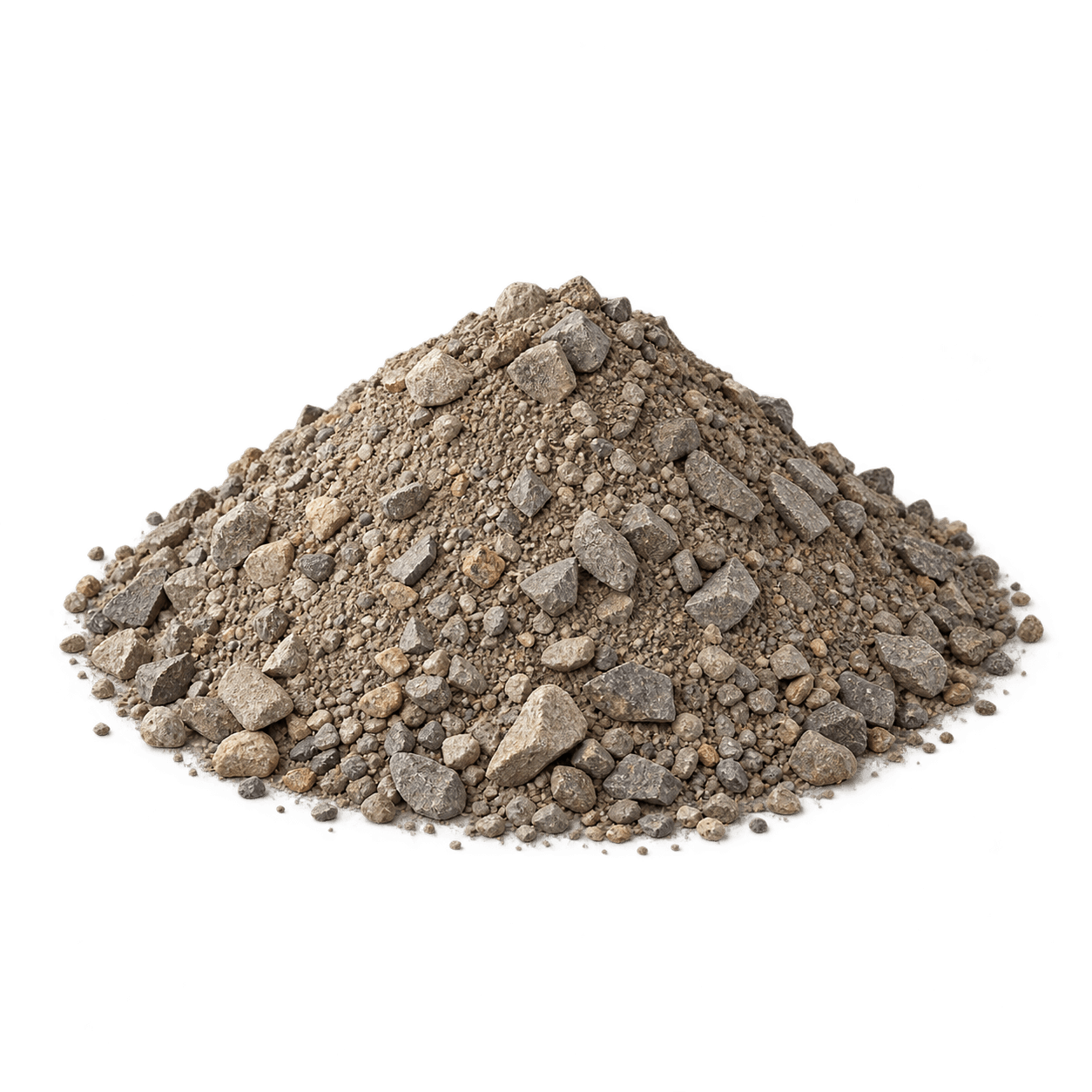
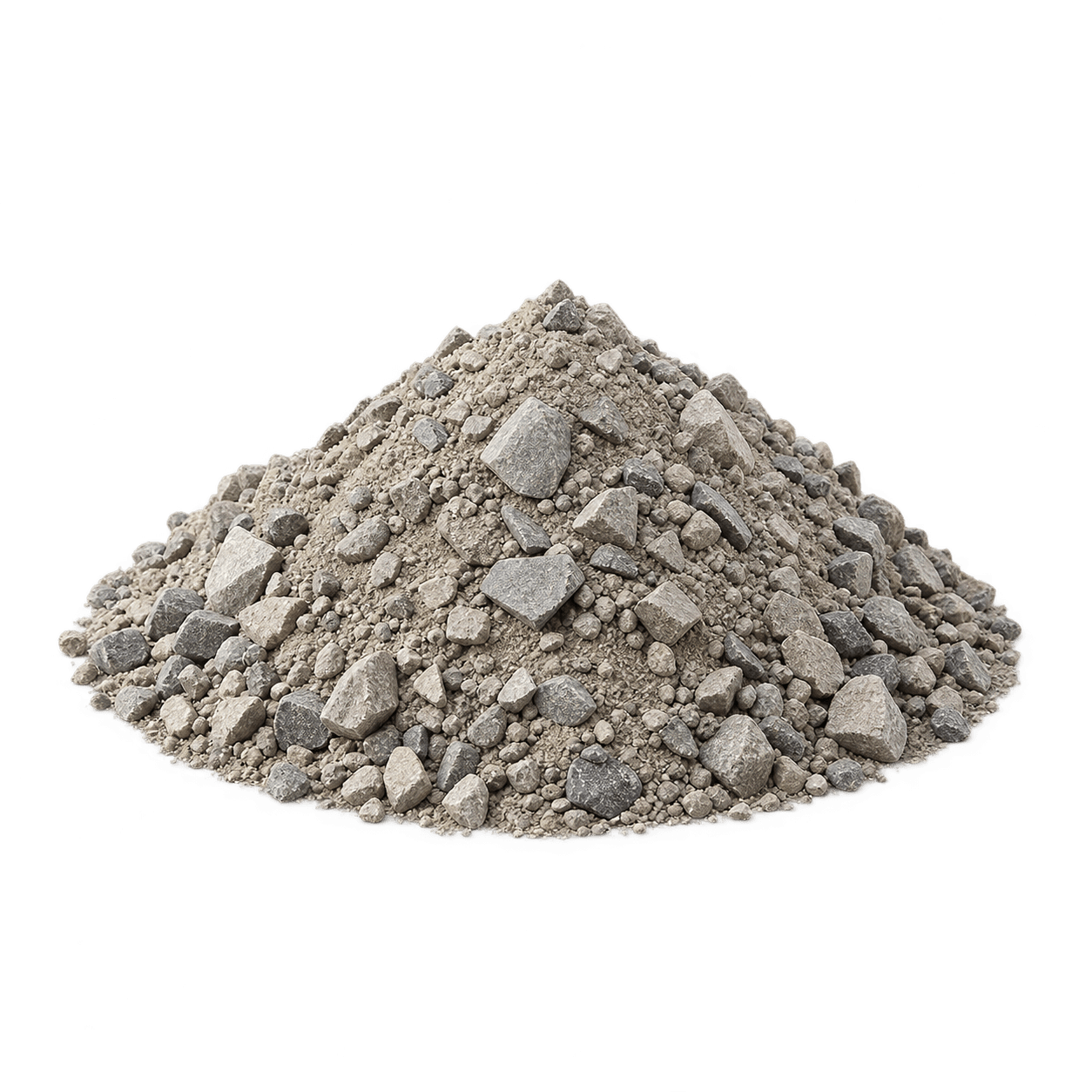
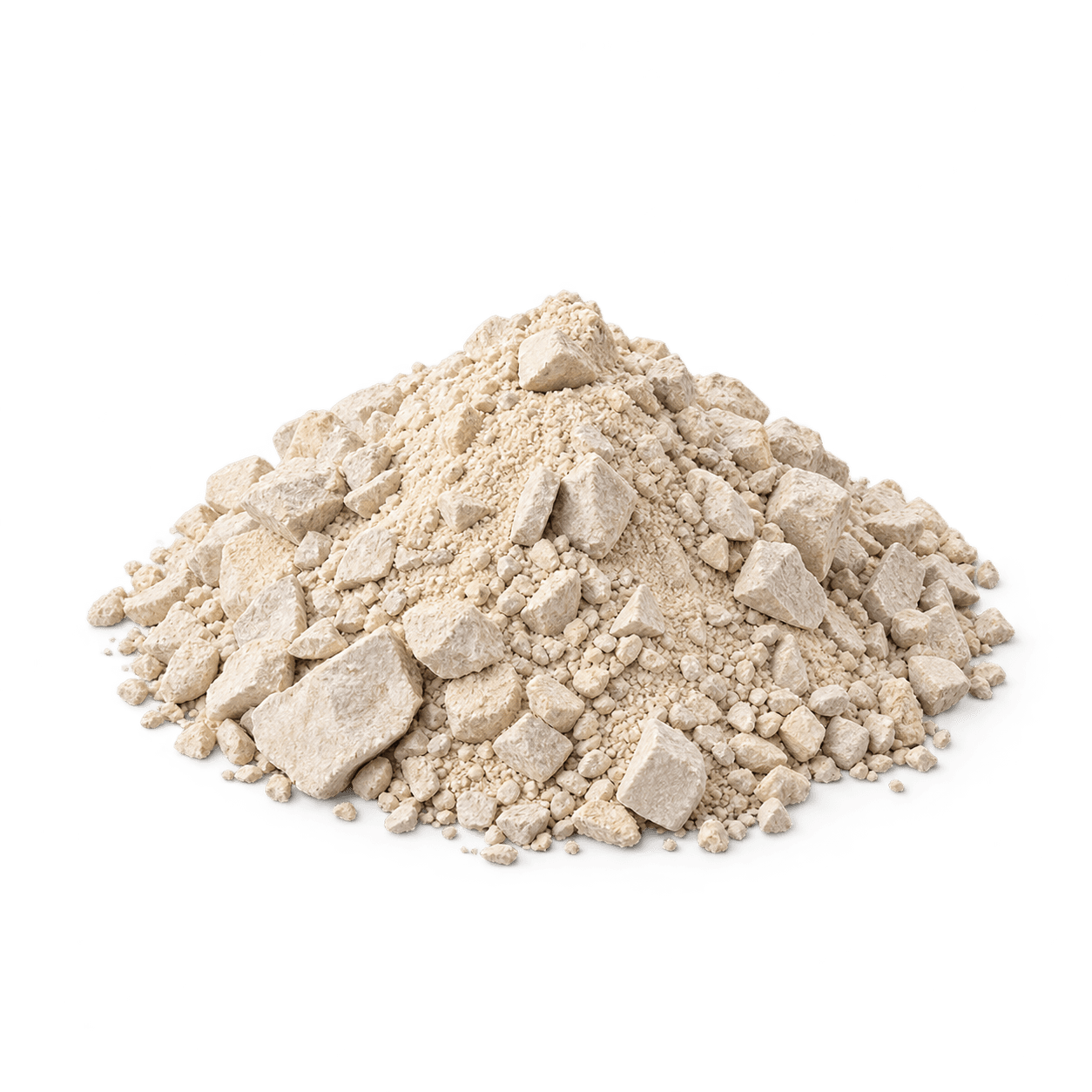
$100 per tonne is the material. Enter your address to see the delivered total before you pay.
Check delivery- 1
Your address sets the rate
Distance, access and the truck needed all change the delivery cost.
- 2
The load sets the truck
Granitic Sand / Path Topping weighs about 1.5 t per m³, so the booking picks a tipper that can carry it.
- 3
You choose the drop
A clear, firm spot on site. Add notes for gates, wires and soft ground.
Good to know
Before your next load.
How much does Granitic Sand / Path Topping cost?
Granitic Sand / Path Topping starts from $100 per tonne including GST. Delivery is calculated from your address, quantity and the truck needed, and the full delivered price is shown before you pay.
How many tonnes is a cubic metre of Granitic Sand / Path Topping?
Granitic Sand / Path Topping weighs roughly 1.5 tonnes per cubic metre loose, so 5 m³ is about 7.5 tonnes. Moisture can make it heavier. The booking uses this weight to pick the right tipper.
How much Granitic Sand / Path Topping do I need?
Multiply length × width × depth in metres. For paver sub-base (foot traffic) at about 100 mm deep, 1 m³ covers roughly 10 m². Use the calculator on this page for an exact figure, including a 10% allowance.
What is the minimum order?
The minimum order is 1 cubic metre. For larger orders, the booking works out the number of loads and recommends the right tipper automatically.
When can it be delivered?
Choose today, tomorrow or a specific date, subject to availability, and pick a 2-hour window between 7am and 5pm.
Where will the truck tip it?
On your driveway or a firm, clear area of your site. Tell us about narrow gates, overhead wires, slopes or soft ground when you book. If it must be tipped on the road or nature strip, check your council's requirements first.
Is granitic sand the same as decomposed granite?
Yes. Granitic sand, decomposed granite and DG are names for the same thing: weathered granite made up of grit and fines that binds firm when wetted and compacted.
How deep should granitic sand be for a path?
About 50 to 75 mm compacted suits a garden path or courtyard. On soft or clay ground, or anywhere light vehicles will drive, lay it over 75 to 100 mm of compacted road base.
Will weeds grow through granitic sand?
Compacted granitic sand slows weeds down, but seeds can still blow in and sprout on the surface. Weed mat underneath and pulling weeds while they're small keep it tidy.
Ready when you are